Friday, December 27, 2013

Best Game Trailers of the Generation

Best Game Trailers of the Generation 

You might not realize it, but a trailer can make or break a game (at least as far as sales go). Whether it’s the game industry or film, a carefully constructed trailer should endeavor to entice the audience just enough to encourage them to spend their hard-earned money to experience the entertainment. A proper trailer does not spoil; it does not reveal the big twist at the end or the death of major characters. It simply ignites a passion, an interest in those seeking adventure into faraway worlds where dragons roam, or alternate history where an assassin is king of the meager.

The best trailers are good enough to excite even the disinterested: a shooter fan may become an RPG fan, or a sports fan may become a strategy fan. The best that this medium has to offer begins with the building blocks of a well-made trailer. It has become the cornerstone of any decent marketing campaign within the last two generations, and today, people anxiously await the release of new trailers for their most anticipated game. We live in a time when a simple mash-up of clips and music can satiate the hunger for a game still a year away from release.

Trailers have only become a fairly recent commodity. As the industry expanded, the need for these marketing devices rose. And so in this list I’ll sign off on some of my favorite trailers from the last few generations. These trailers do not necessarily represent the quality or success of the game, or my opinions of them, but they were simply so good that they got me excited to play. 

Transformers: Fall of Cybertron


The song has absolutely nothing to do with the context or themes of this game. In fact, that’s a common thread you’re going to find for most of these trailers. But there’s just something about putting together a well-made montage or cutscene with an excellent piece of music. Puscifer’s “The Humbling River” is an amazing song that shows off Tool-frontman Maynard James Keenan’s more tender vocal potential, and when you have the backdrop of giant sentient machines killing each other, it just makes for one hell of a spectacle. 

Assassin’s Creed: Revelations


While not the best in the series, Revelations did have one thing going for it that every other Assassin’s Creed game has yet to match, before it or since: an outstanding trailer. “Iron” by French neofolk musician Woodkid captured the tone of the presentation so well. It was dark, yet anxious. A weary and fatigued Ezio, whose age has finally caught up with him, journeys to the burial place of Altair, his ancestor. The words “A million miles from home/I’m walking ahead/I’m frozen to the bones/I am/A soldier on my own/I don’t know the way” so perfectly encompasses Ezio’s saga, I can’t think of a better song to introduce this game. And that is the mark of an excellent trailer. 

Dead Island


Everyone remembers this one: that soft, somber music; the effective use of playing the whole thing in reverse; and a zombie game that had a whole lot of promise and potential. It’s unfortunate that the final product didn’t deliver on what was a superb setup. 

Borderlands 2


I’m no fan of dubstep, but if there’s any game that could make it work in a trailer, it’s Borderlands. The off-the-wall outrageousness of the series perfectly marries the uncontrollably and often schizophrenic pace of a typical dubstep “song.” The icing on the cake is Claptrap. It’s always Claptrap. 

Gears of War


The word “sadvertismenet” didn’t exist until this trailer. Gary Jules’ rendition of “Mad World” had already become semi-relevant nearly 5 years prior as the accompanying song during the dénouement of Richard Kelly’s sci-fi end of the world thriller Donnie Darko, but it was its use in Gears that really sold it as an extremely depressing track. And it actually fit. Unfortunately the machismo of the series and its fascination with over-the-top violence belied what could have been an interesting post-apocalyptic setting. 

Bayonetta


The queen of hack-and-slash deserves a trailer of equal majesty. La Roux’s “In for the Kill” wasn’t just catchy synthpop-techno babble, but it represented the equal parts class and chaos of the titular character. 

Lost Odyssey


Often overlooked simply because it was a jRPG released in the early years of the Xbox 360, Lost Odyssey wasn’t just a modern classic because of its heartfelt “1000 Years of Dreams” segments, but because the launch trailer was so bizarre and so tantalizingly at odds that it only made the game that much more interesting. Who would have ever thought Grace Slick’s “White Rabbit” would have been used for anything other than an Alice in Wonderland game?

Deus Ex: Human Revolution


Deus Ex is a touchy subject with many people who have fond memories of playing it when they were younger. So when they announced a modern-day sequel, fans were understandably uproarious. But once this trailer came out, many of those fears were subdued and replaced with pure excitement. 

Dark Souls

When you think dark fantasy RPG, you usually hear loud, operatic-style chanting, orchestral music, and dark, brooding tones. So when Dark Souls publisher NamcoBandai decided to use folk rock band The Silent Comedy’s “Bartholomew,” most people were shocked at how ingenious it was. Not only did the song have coherency with its lyrics, but in a sort’ve obsessive, analytical kind of way, even captured the Dark Souls experience, which is one of unexpectedness and surprise. Leave it to Namco, then, to release a follow-up trailer featuring another song by The Silent Comedy called “All Saints Day,” this one of equal quality. 


Sony’s “Michael” Ad


And just for fun, while not strictly a game trailer, I’d feel incredibly disingenuous if I didn’t at least acknowledge Sony’s brilliant marketing commercial during their “Long Live Play” campaign.

Sunday, December 22, 2013

Looking Forward - Most Anticipated Games of 2014

Most Anticipated Games of 2014

Pillars of Eternity
(Release date: Q4 2014)


This independently published, crowd-funded old school isometric RPG comes from the master craftsmen at Obsidian Entertainment, largely made up of former Black Isle Studios developers, the team responsible for some of gaming’s most iconic classics: Fallout 2, Icewind Dale, and arguably the greatest story ever told in this medium, Planescape: Torment. As Obsidian, they put out Star Wars: Knights of the Old Republic II – The Sith Lords, Neverwinter Nights 2 (and its expansions), Fallout: New Vegas, and in my opinion the most underrated game of the entire generation, Alpha Protocol. The pedigree is certainly there, and anyone keeping up with their weekly updates knows the passion these guys have for making this kind of game. When Obsidian is left to its own devices, something truly special almost always comes of it.

South Park: The Stick of Truth
(Release date: March 4, 2014)


Speaking of Obsidian, South Park: The Stick of Truth is a collaboration with TV show creators Trey Parker and Matt Stone being published by Ubisoft. The fact that the game looks so damn much like the show itself is a testament to the artists and programmers working on it, and from what’s been shown off already, it looks to have the same unfiltered and raw sense of humor that the show has become known for, while combat is a zany turn-based style with some hilarious and over-the-top animations and spell effects.

Divinity: Original Sin
(Release date: February 28, 2014)


Divinity II: The Dragon Knight Saga, originally released as Divinity II: Ego Draconis, snuck up on me some time ago. This updated re-release, which included the expansion “Flames of Vengeance,” was a blissfully entertaining action-RPG with a lengthy story and absolutely thrilling dragon combat late in the game. I didn’t think much of it when it originally came out, but thankfully at the behest of several people, I bought this updated version during a Steam sale, and enjoyed every second of it. The developers, Larian Studios’, next game returns to the series isometric roots, much like Pillars of Eternity, and was similarly funded through the crowd-sourced website Kickstarter.

Transistor
(Release date: 2014)


I fell in love with this game from the minute I saw the trailer at this year’s E3. The music, the visual style, the cyberpunk/noir setting – all of it just fits so well together, which is no surprise considering Supergiant Games’ previous title, Bastion, was of similar ilk. Transistor will be a downloadable action game for PS4 and PC, featuring a sentient sword – the namesake of the game – and its crimson-haired protagonist, Red, who has mysteriously lost her voice as they battle through the strange and mesmerizing city of Cloudbank.

X (working title)
(Release date: 2014)


2012’s Wii exclusive Xenoblade Chronicles is one of my favorite games of the generation, and easily one of the best on Nintendo’s oft-berated console. The absolute massive scale of the world and vastness of each area, complete with gargantuan enemies and extraordinarily impressive draw distances, showed just what was possible with the Wii’s outdated hardware. The game utilized a free-roam combat system similar to the likes of Final Fantasy XII, and to some extent many MMOs. All of this looks to be returning for Monolith Soft’s upcoming Wii U exclusive, tentatively titled X, which is currently rumored to be a direct sequel to Chronicles, although there has been no concrete evidence to support this aside from the lookalike appearance of Chronicles’ main character, Shulk, at the very end of the game’s announcement trailer.

Metal Gear Solid V: The Phantom Pain/Ground Zeroes
(Release date: March 18, 2014)


I don’t think anyone really knows exactly what to make of Metal Gear Solid V quite yet, especially when it comes to The Phantom Pain and Ground Zeroes. Kojima announced that they will be separate games, but so far nearly every trailer for MGSV has shown clips that are reportedly from both. So is Ground Zeroes a prologue? A full-on prequel? Is it going to be a full priced game? Someone, please help me out here. Whatever the case, I’ll be looking forward to it/both.

Dark Souls II
(Release date: March 11, 2014)


If I had to pick one game I was most excited about next year, of course it would be Dark Souls II. Sure, I have my skepticism: a new game director, retail-exclusive pre-order bonuses, and a much more gung-ho marketing campaign that seems contradictory to the series’ humble roots. Namco Bandai is not known for their subtlety and graceful handling of games, but luckily most of my concerns stem from distrust with the publisher and not from anything that I’ve personally seen of the game or heard from the developers. The new engine that was used to design the game from the ground up looks remarkable, as character animations are much more fluid and exact. Some of the locations shown off in the trailers appear as menacing as ever, and of course the speculation that surrounds the game’s story and its potential connection to Dark Souls is one of the most heated debates about it amongst the community. I just know, come March 11, I apologize to any other game that may have wanted my attention, because you won’t be getting it.

Saturday, December 21, 2013

The Games of 2013 - Day Four

The Top 5 of 2013

Path of Exile

  
One of the best games of the year was a free-to-play downloadable action-RPG that out-Diabloed Diablo. What else can be said about this game that hasn’t already been discussed by other publications? Intense click-heavy combat, gorgeous visuals and spell animations, some of the most in-depth skill specialization ever seen in a game, and plenty of difficulty settings and abilities to max out, or bosses to grind, that will have any farm-happy gamer coming back for more. The fact that it’s free is only icing on the cake, and further enforces the emphasis on the free-to-play market going forward. If games like this and League of Legends don’t convince you that the free-to-play business model isn’t the cash grab it once was and is actually a highly competitive and valuable market, then I don’t know what else will.

The Stanley Parable


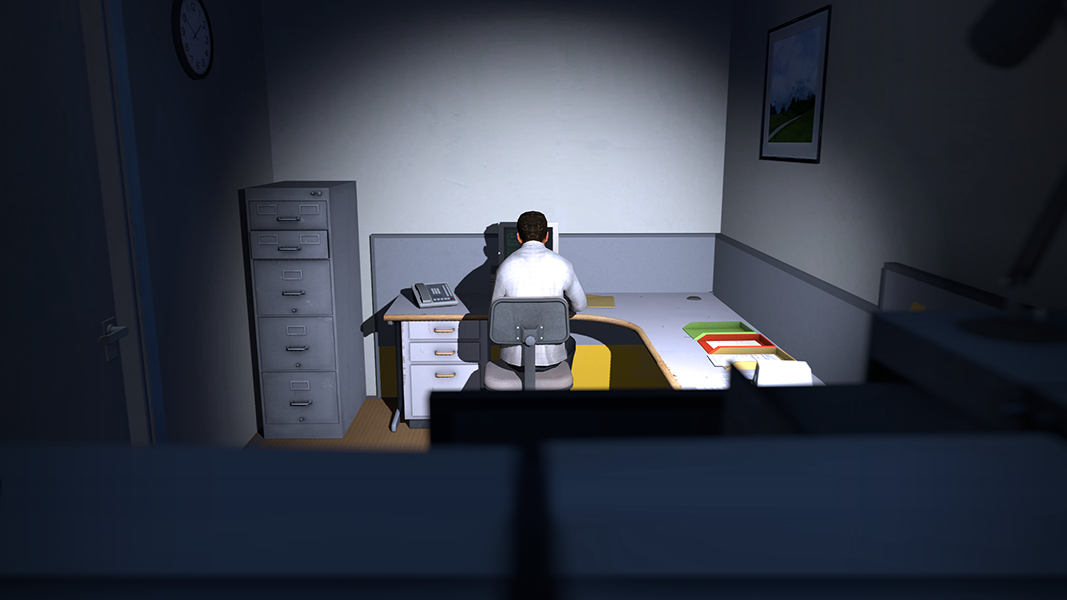
When I talked about subverting expectations in games yesterday while discussing Gone Home, this was the game I had in mind. The Staley Parable is less a game and more an experiment. It toys with the notion of player choice in games, or the lack thereof; the idea of agency, of a grand scheme at play, and it all begins in an office, behind a desk, in front of a computer screen. You are Stanley, an average Joe content to work the same menial job for the rest of his life. But when, on one peculiar day, Stanley decides to get up from his desk and realizes that everyone else in the office building has disappeared, the foundations of his very existence come into question. Accompanied by the brilliant narration of the game’s all-seeing storyteller, The Stanley Parable is simply the kind of game you just need to experience for yourself. There is no amount of praise that can do it justice. The Stanley Parable can be completed in 10 minutes or 10 hours: how you choose to get to an ending, and how long it takes, is entirely up to you. And trust me when I say there are dozens of endings.

The Legend of Zelda: A Link Between Worlds


When Nintendo created The Legend of Zelda series nearly 20 years ago, they knew they were onto something special: the sense of openness, the danger, the feeling of being a legendary hero, the old fashioned kidnapped princess. It was a truly brilliant game. Since then, Nintendo has managed to only briefly recapture that magic in less than a handful of games. The Legend of Zelda: A Link Between Worlds is not only the best game in the series in over a decade, but it is easily in the top five ever, and certainly one of the greatest across all of Nintendo’s storied library. The same freedom found in the original finally returns, creating a truly exciting and harrowing adventure as you brave the dungeons and face the dangers in any order you wish. Along the way you’ll come up against some of the most brilliantly designed puzzles that only Nintendo can do so well set to newly arranged versions of some classic Zelda tunes.

The Last of Us


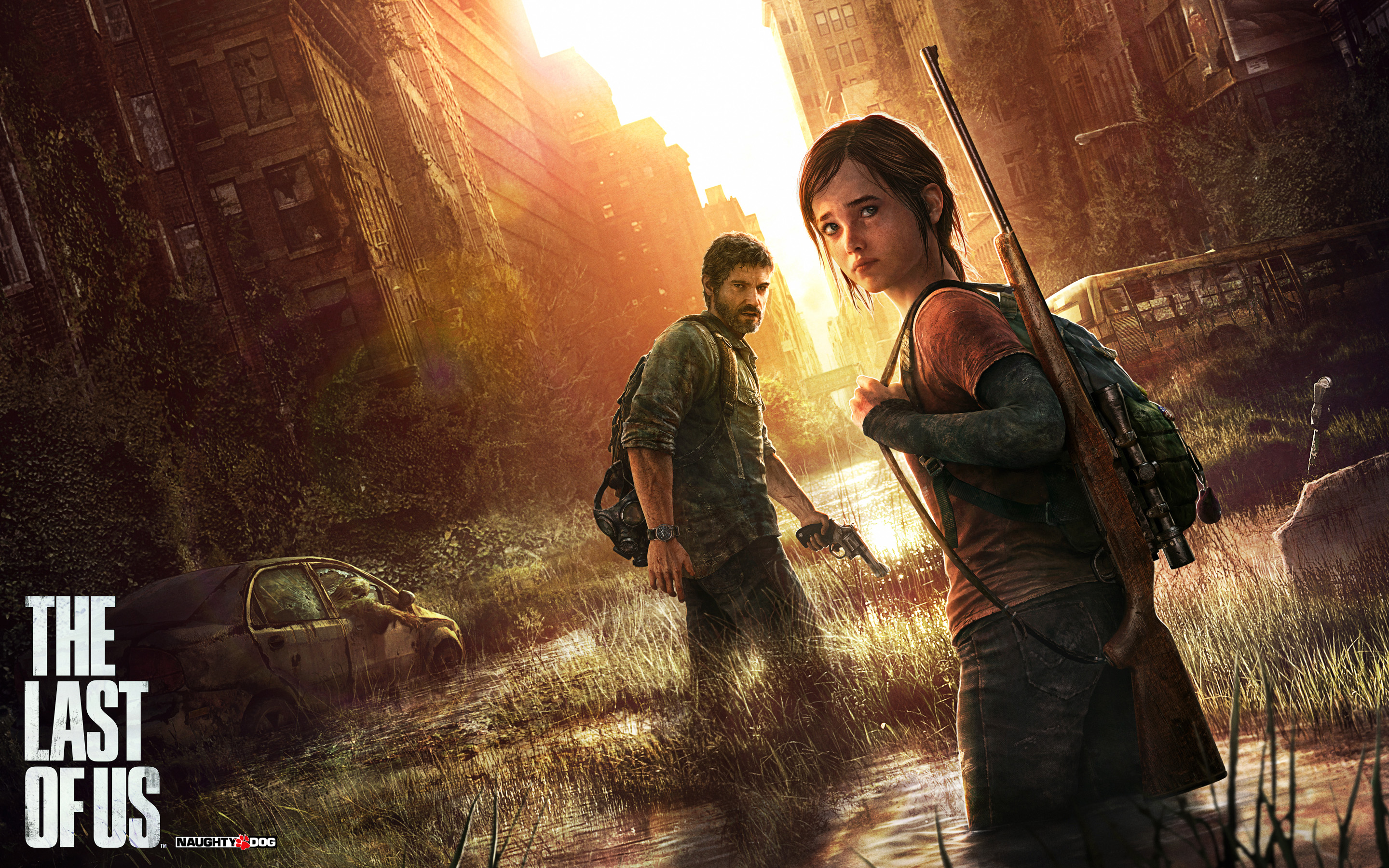
I have no shame in admitting that I am not the world’s biggest fan of the Uncharted games. They were good, by all means, but they were just that. The level of excitement and anticipation that built up around them eluded me, so when it was announced that Naughty Dog’s next project was going to be a zombie game, you can understand my reluctance. “Oh, great, one of those kinds of games from these guys?” How naïve I was, and happily so. What Naughty Dog and the brilliant team of actors, led by Troy Baker and Ashley Johnson, managed to do with this fairly average, admittedly generic premise, was create an experience with so much heart and so much emotion that you simply could not disregard it. The journey of Joel and Ellie across the ravaged, infected United States would have been void of excitement if not for the chemistry between these actors and the empathy you feel for their characters. Its crushing introduction and absolutely devastating finale aside, The Last of Us is one of the most emotional games of the generation.

BioShock Infinite


There’s just something about the world of BioShock Infinite that just keeps calling to me, even after so many months have passed since I finished it: Its haunting beauty, its dark comedy, its terrifying appeal. It’s a place that has no right to exist, and yet on its surface appears a place you could never live without. The nuances of the characters, from Elizabeth’s doe-eyed expressions to the Lutece twins’ disjointing riddles, create a sense of wonder and awe in a world that is brimming with eccentricity. But throughout its early hours, you know something is not right and you just can’t quite put your finger on it. Perhaps it’s the strange baptismal entrance into Columbia, or maybe the obvious floating city in the sky bit. Or maybe – wait, is that…are they singing “God Only Knows” by the Beach Boys? I thought this game was set in 1912? That song doesn’t come out until 1966. What’s going on?

That’s just the kind of lunacy you’ll experience in sprinkled doses throughout your journey in BioShock Infinite, all of it culminating in a profound and cathartic message about the state of the games industry, the BioShock series included. Ken Levine isn’t a man to shy from a bit of pretense, and though the ending can be construed as somewhat preachy, if not a little heavy-handed, it cannot be ignored. Coupled with some fantastically visceral combat and the outstanding use of the city’s Sky-Line as more than just a glorified set piece, and BioShock Infinite wasn’t just an amazing story, but a wholly satisfying gaming experience altogether.

Coming up tomorrow, my Most Anticipated Games of 2014.